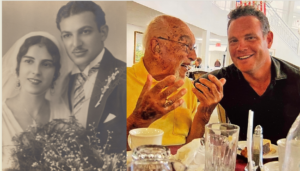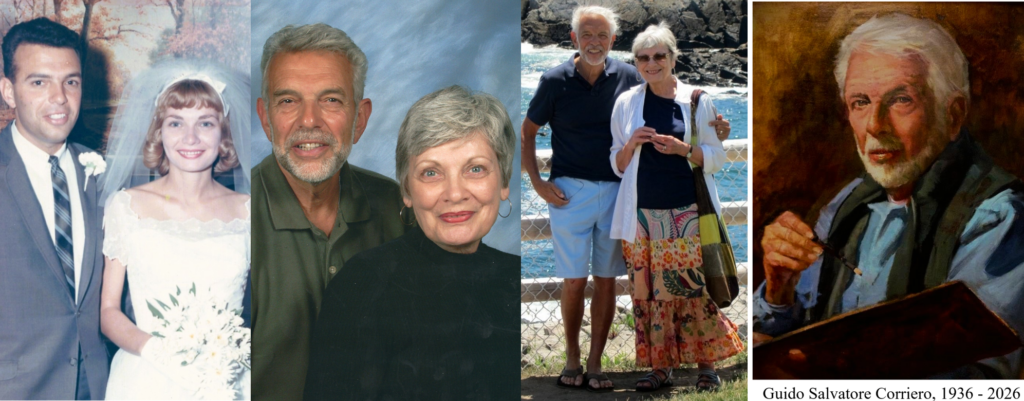
My father died in July. He was ninety.
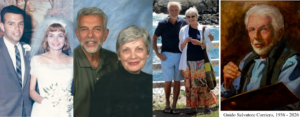
He died in memory care, in the same building where my mother had died fourteen months earlier, in the independent living wing down the hall. They moved in together, just shy of sixty years of marriage. They left separately.
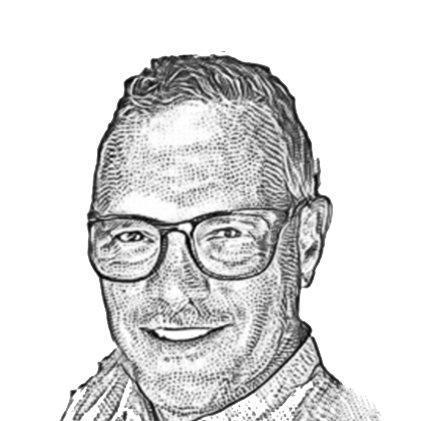
I manage money for professionals, many of them lawyers. For the last several years, I also managed it for two retired teachers. This is about them. It is also about you.
My parents were educators, which is a polite way of saying they were never going to be rich.
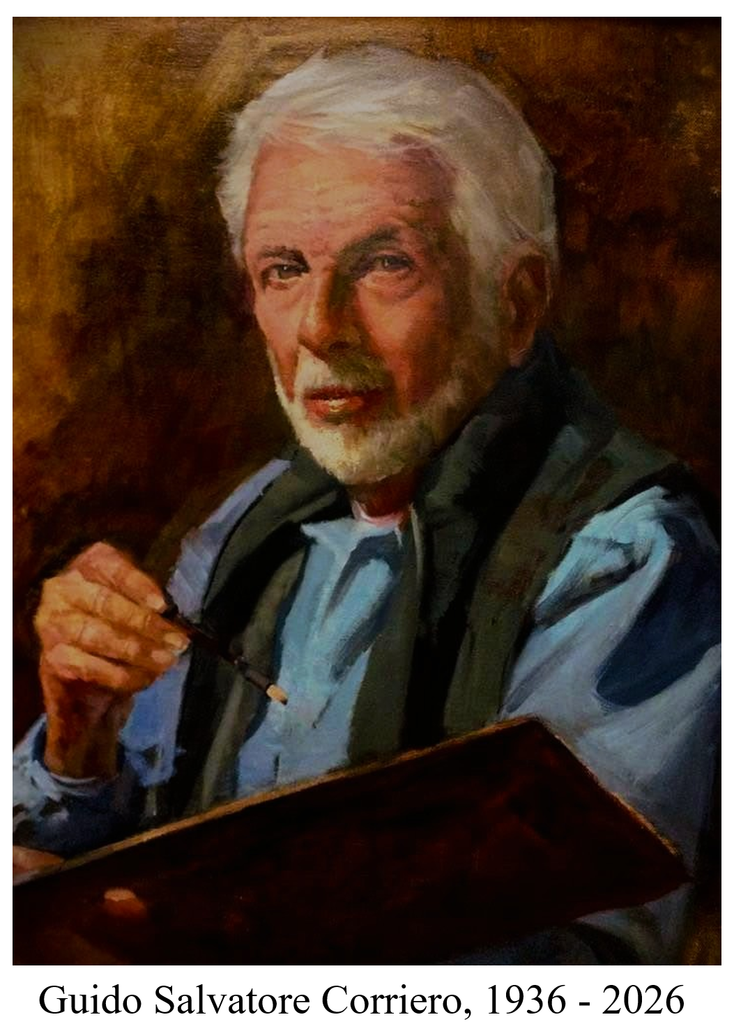
My mother taught school. My father taught art at a community college, and made money giving painting classes on Monhegan Island in Maine in the summers. Selling paintings through galleries around the country. In the 1970s and ’80s, when the five of us were growing up, the household might have brought in $20,000 a year. Before taxes.
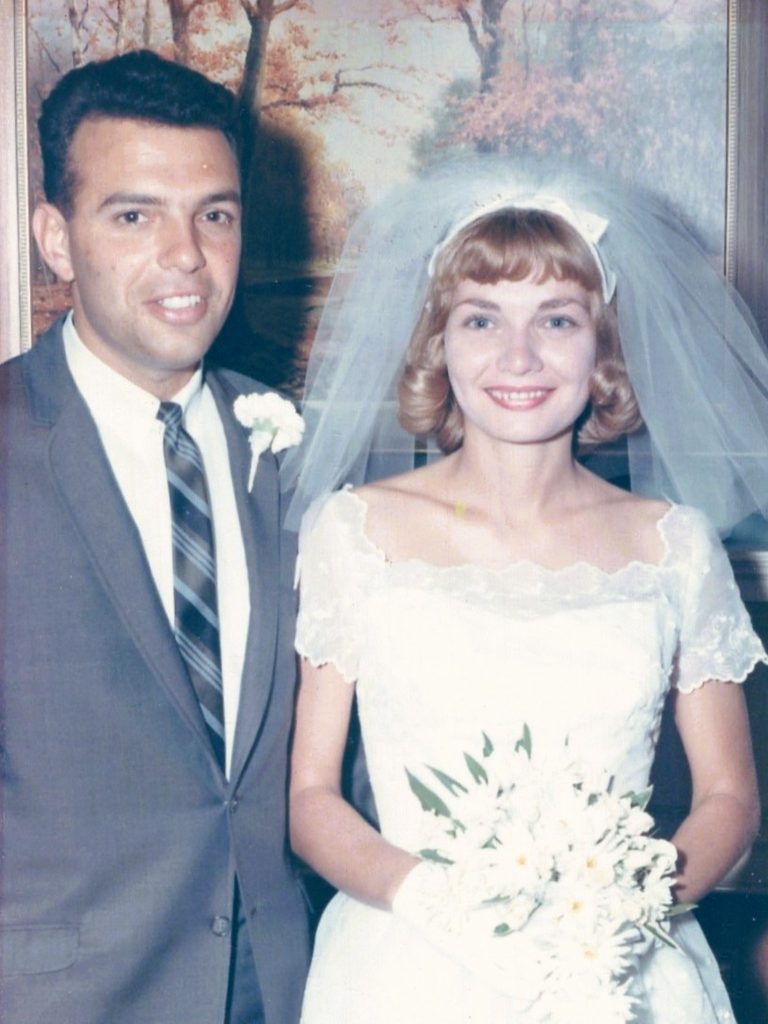
They did the unglamorous thing. They saved. They were frugal the way people who grew up without much are frugal: not as a strategy, as a reflex. They worked for decades and put money into their 401(k)s every paycheck, and they each earned a modest pension, and that was the whole plan. There was no plan B. There wasn’t really a plan A, either. There was just the habit.
And they understood something about money that most people with far more of it never do. It was not a means to acquire things. They acquired very little. It was a means to take care of themselves, so that no one else would have to, and in so doing, to take care of everyone else too. That was the entire theory. They never said it out loud. They just lived it, for sixty years, in a house full of paintings.
My father’s dementia was a confounding kind. His memory was perfect. Perfect, right to the end. What he lost was not the past. He simply withdrew, a little more each year, into some interior room where we could not follow. The lights were on. He just stopped coming to the door.
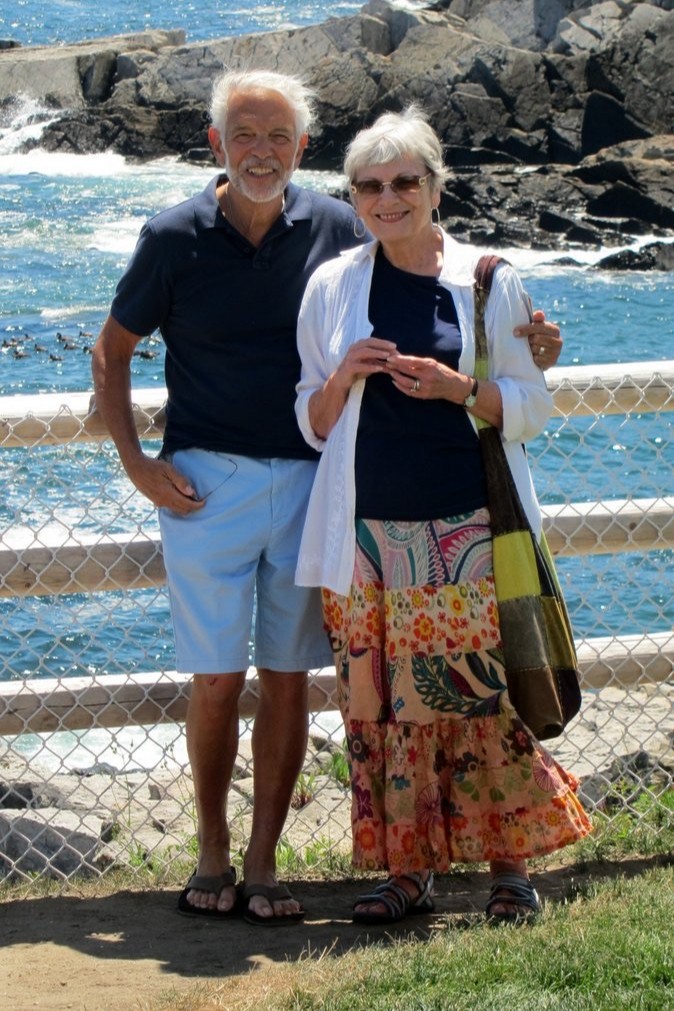
In his final years, his care cost $12,000 a month.
Twelve thousand dollars. Every month. In the last week of his life he needed someone with him around the clock, paid by the hour, and the run-rate for that was $20,000 a month. My mother’s apartment, in the independent wing, had been nearly $7,000 a month on its own.
If I could go back to 1980 and tell my parents this, they would not have believed me. Not “wouldn’t have believed me” the way you don’t believe a tall tale. They would have believed it was not possible. That a single month of care could cost what the whole family lived on for a year. That you could do everything right (teach, save, stay married, stay frugal) and still arrive at the end of your life facing a bill like that.
My mother worried about money into her mid-eighties. I told her she shouldn’t. I had the spreadsheets. I ran the numbers. “You’re fine, Mom. I promise.” She nodded the way you nod at your son when he’s being reassuring. She had spent fifty years being careful, and you don’t turn that off because a financial advisor, even one you raised, tells you to.
But financially, they made it to the finish line. When the hard decisions came, and they came, money did not tilt the balance one way or another. It had been taken off the table forty years earlier by two people making $20,000 a year who put something away anyway.
And when they were both gone, there was still something left. Not a fortune. But enough that, split five ways among their children, it is going to pad some retirement accounts, fix some roofs, retire some debt, and pay for some college. Two schoolteachers. Still taking care of people. Reaching forward one more generation.
I have spent my career telling professionals that the point of all this is not the number. It’s not beating the index. It’s not the 10% versus the 8%. The point is to arrive at the end of your life (and the end comes with costs you cannot presently imagine) and have money be the one thing you do not have to think about.
Every client I have ever worked with has told me a goal. The house, the tuition, the second home, the retirement. And underneath every one of them is the goal nobody says out loud: to make it all the way to the end without money becoming the problem.
Because the end is coming for all of us, and it does not negotiate. Cancer. Dementia. A stroke on an ordinary Tuesday. Hamlet’s “slings and arrows of outrageous fortune.” We do what we can to get through unscathed, but so far, our mortality rate seem stubbornly stuck at 100%.
But if I have done my job, there will be people out there, years from now, people I may never hear from again, who get struck by one of those arrows and discover, in the worst season of their lives, that the one thing they do not have to worry about is paying for it.
That they can be cared for. That they can go on caring for the people they love. That they can meet whatever comes with the one kind of dignity money can actually buy.
That is the whole job. It is a good one.
My parents had a wonderful life together. Nearly sixty years. Five kids between them. Decades of students. A wall of paintings. And at the very end, in the part nobody plans for, they were cared for with dignity, together, under the same roof, right up until they weren’t.
That is what the money was for.
It was never for anything else.